How I Work with IT Asset Inventory and Lifecycle Management So Nothing Is Forgotten and Purchases Are Easier to Plan
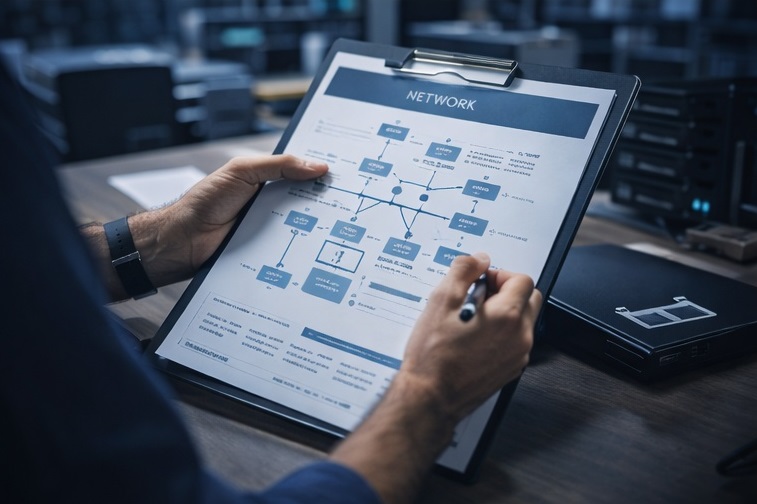
When people think about IT, they often think first about support, networks, servers, and security. But one area that makes a big difference in everyday work—and is often noticed only when it is missing—is order in the hardware itself.
For me, inventory and lifecycle management are important parts of well-managed IT. They are about knowing what exists, who uses what, how old the equipment is, when something is nearing the end of its useful life, and what needs to be planned ahead.
I want to know what actually exists in the environment
The first thing I want is a clear picture of which equipment is actually there. How many computers exist? Which screens are used? Which printers are active? Which access points, switches, phones, and other devices are present in the business? What is new, what is old, and what is no longer in use?
If that picture is missing, many things become harder than they need to be. It becomes easier to buy new equipment unnecessarily, miss something that needs replacement, or lose control when a problem occurs.
Inventory is not only about counting devices
For me, inventory is not only about counting how many computers exist. I also want information that is genuinely useful in daily work, such as model and manufacturer, serial number, purchase date, who uses the equipment, where it is located, what condition it is in, whether it is still actively used, and whether it has a special role in the business.
That makes inventory practical rather than purely formal. It helps in support, planning, and follow-up.
I like a clear connection between users and equipment
It makes a major difference when it is clear who uses which equipment. If a user has a specific laptop, screen, dock, or phone, I want that to be visible. That makes support easier, role changes smoother, and returns more manageable. It also provides better control over what has been handed out and what should come back.
I want aging equipment to be followed up in time
All IT equipment has a lifespan. Computers get older, batteries degrade, performance becomes insufficient, warranties expire, and some devices begin creating more support work than they are worth. That is why lifecycle management matters so much.
I do not want to wait until something breaks completely before replacement planning starts. I want to see in good time which computers, printers, or network devices are reaching a point where it is wise to plan ahead.
I like planning replacements before they become urgent
When equipment is replaced in time, everything becomes easier. It is possible to choose the right moment, order in advance, and prepare the user calmly. Waiting too long creates stress, more urgent purchases, and more avoidable disruption.
Lifecycle management makes support easier
Support becomes simpler when the environment is known. It is easier to help when you know what equipment a user has, how old it is, whether it is under warranty, and whether similar devices have shown recurring issues.
I want to avoid equipment that just “stays around”
In many environments, old devices remain long after they should have been retired. They may no longer be active, but they still create uncertainty. I like clear routines for when equipment is still in use, when it is held in reserve, and when it should be removed from the environment.
I also think about warranties, licenses, and agreements
Lifecycle management is not only about the hardware itself. It is also about the surrounding responsibilities. Warranties, software licenses, service agreements, and replacement plans all become easier to manage when inventory is in order.
I want purchases to be based on real needs
When there is a good overview, purchases become easier to plan rationally. Instead of buying reactively, it becomes possible to replace equipment based on actual age, status, usage, and business need.
I like clear routines when equipment is handed out and returned
I want it to be easy to see what has been assigned to whom, when it was issued, and when it was returned. That reduces confusion and makes both onboarding and offboarding safer.
I see inventory as part of order, not just administration
For me, inventory is not pointless administration. It is part of the structure that makes the whole environment calmer, more predictable, and easier to support.
The goal is that nothing should be forgotten and planning should become easier
That is how I want to work with asset inventory and lifecycle management: clearly, practically, and in a way that improves both support and long-term planning.