How I Work with Operational Monitoring So Problems Are Discovered Before They Disrupt the Business
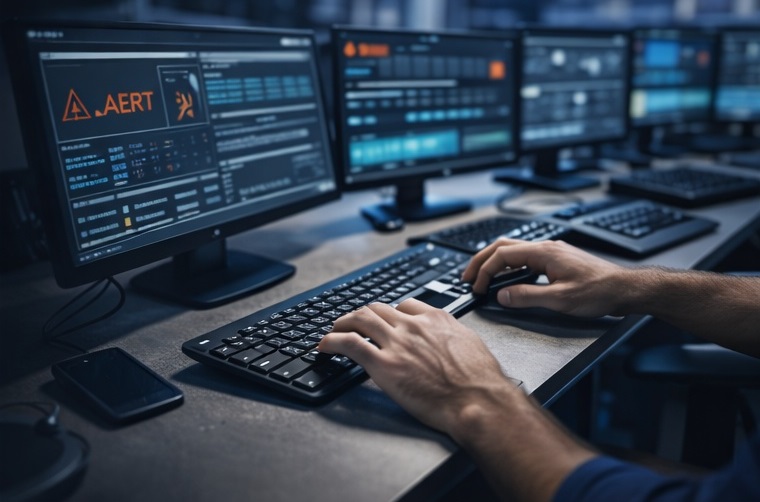
For me, good IT is not only about solving issues when they happen. It is also about noticing the signals before the issue has become a real problem. That is where operational monitoring comes in.
When monitoring works well, it is barely visible from the outside. But it makes a major difference in the background. It helps me catch the kinds of things that might otherwise turn into outages, slow systems, or unnecessary stress in daily work. I would rather stay a step ahead than arrive only after the business has already been affected.
I want to know how the systems are doing, not only whether they are alive
A server can be running without really being healthy. A network can still be functioning while clearly showing signs of strain. A backup can appear to be working even though it fails from time to time. A hard drive can still be alive while already giving early warning signs.
That is why I think monitoring is so important. I do not want to know only whether something is on or off. I want to understand how the systems are actually doing.
I look at what truly affects daily work
For me, monitoring is not about collecting as much data as possible just because it can be done. I want to follow what is actually useful in daily operations. That can mean whether a server is low on disk space, whether CPU or memory usage is unusually high, whether an important service has stopped, whether backup has failed, whether the network shows signs of trouble, whether response times are getting worse, or whether something keeps dropping connection.
I like catching small warning signs early
Many larger problems start very small. A disk fills up slowly. A service restarts a little more often than usual. The network feels slightly slower at certain times. A server begins to operate with smaller margins than before. If no one sees those signals early, they often grow into larger problems later.
I want alerts to be clear, not stressful
Alerts are an important part of monitoring, but I do not think good monitoring means having as many alerts as possible. If everything alerts constantly, people stop listening. I want alerts to be sensible and understandable so they help me prioritize instead of creating noise.
I want to understand patterns, not only isolated incidents
It is important to see patterns over time. If the same server is heavily loaded every Monday morning, if the same part of the network gets slow at certain hours, or if a certain service stops from time to time, that often tells you much more than a single isolated event.
Monitoring helps me plan better
When I understand the environment over time, I can plan more calmly. I can see when capacity needs to be expanded, when an aging system should be replaced, or when a recurring issue should be addressed before it becomes urgent.
I like monitoring that helps support
Monitoring is also valuable in support. If I already have insight into the health of systems and services, I often reach the problem faster when a user reports something.
I think about servers, networks, and services
I do not see monitoring as something limited to one category. Good monitoring often spans servers, storage, backups, network devices, links, wireless networks, and business-critical services.
I think monitoring also creates a sense of safety
A well-monitored environment feels calmer because issues are less likely to arrive as total surprises.
I want the customer to notice fewer disruptions, not more systems
The point of monitoring is not that the customer should see more dashboards. The point is that they should experience fewer disturbances.
I see monitoring as part of long-term quality
Monitoring supports better operations, better support, better planning, and better resilience over time.
The goal is that problems should be discovered before they disrupt the business
That is how I want to work with operational monitoring: proactively, clearly, and with a real focus on what matters in everyday work.